
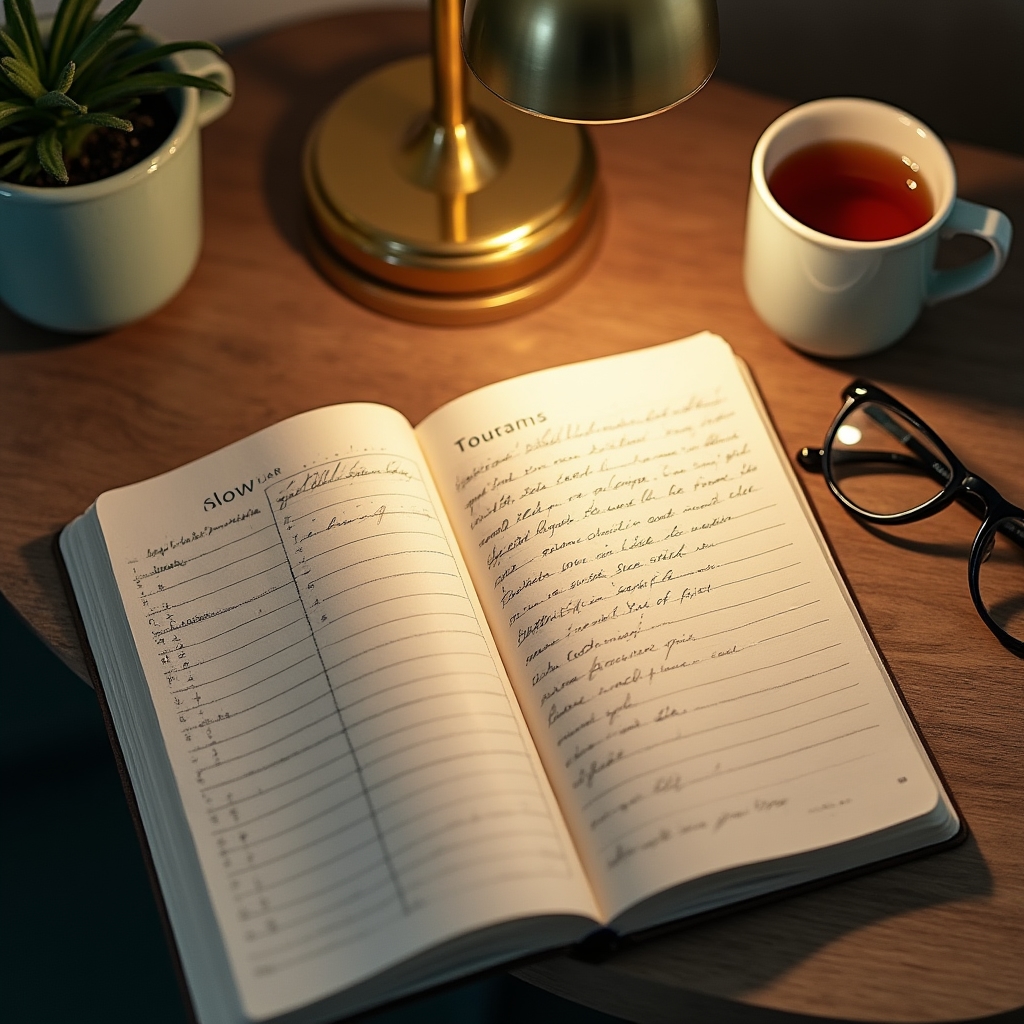
Module 01
Understanding Sleep Cycles
An introduction to how rest phases connect to next-day energy and focus.
Vacaju is an educational program exploring how sleep and recovery shape energy, focus, and physical capacity, built for anyone who wants to understand their own rhythm before pushing harder.

Training adapts the body only when it is given time to absorb the work. This program looks at the space between effort and effort: how sleep cycles restore energy, how recovery windows influence output, and how ignoring either can quietly erode progress.
Rather than another workout plan, Vacaju offers a way of thinking about pacing. It draws on general principles of rest physiology and behavioral pacing to help you notice patterns in your own routine.
Six areas of study form the foundation of the series, each building toward a more balanced relationship with activity.
How sleep stages relate to physical restoration, and why consistency often matters more than duration alone.
General patterns behind daily energy fluctuation and how rest debt can accumulate over time.
Common signals associated with pushing past sustainable limits, presented for educational awareness.
Approaches to structuring activity across a week so effort and rest stay in proportion.
How small, repeatable habits tend to hold up better than sudden overhauls of a schedule.
Simple journaling prompts to help track patterns in sleep, mood, and physical readiness.
An introduction to how rest phases connect to next-day energy and focus.
General practices associated with easing the body toward rest each night.

How rest windows are thought to influence readiness for the next activity.

A framework for spacing activity and rest across a realistic schedule.
Overtraining tends to show up gradually, not all at once. Recognizing early signals can help you adjust before fatigue accumulates further.


Vacaju does not diagnose conditions or replace guidance from a qualified health professional. Instead, the series translates general concepts in sleep science and recovery physiology into plain language, so learners can make more informed choices about their own routines.
Every module is self-paced. There is no schedule to keep and no pressure to finish by a certain date. Progress happens at whatever speed fits your life.
No. Vacaju provides general educational content about sleep and recovery. It is not a substitute for advice from a physician, physical therapist, or certified coach, and it does not diagnose or treat any condition.
There is no fixed timeline. Lessons are organized into four self-paced modules, so learners can move through them at whatever pace suits their schedule and comfort level.
No equipment is required. The content is written for a general audience, whether someone is new to structured activity or already training regularly and looking to understand recovery better.
It generally refers to a pattern where activity consistently outpaces recovery, leading to prolonged fatigue, reduced performance, or disrupted sleep. The series explains common associated signals in more detail.
Yes. The relationship between sleep, recovery, and energy applies broadly, not only to competitive athletes. Many lessons focus on everyday routines and general activity levels.
Learners can reach out with general questions about the material through our contact page. We are not able to provide individualized health or training recommendations.
Explore the modules whenever it fits your schedule. No deadlines, no pressure.
View the Program